
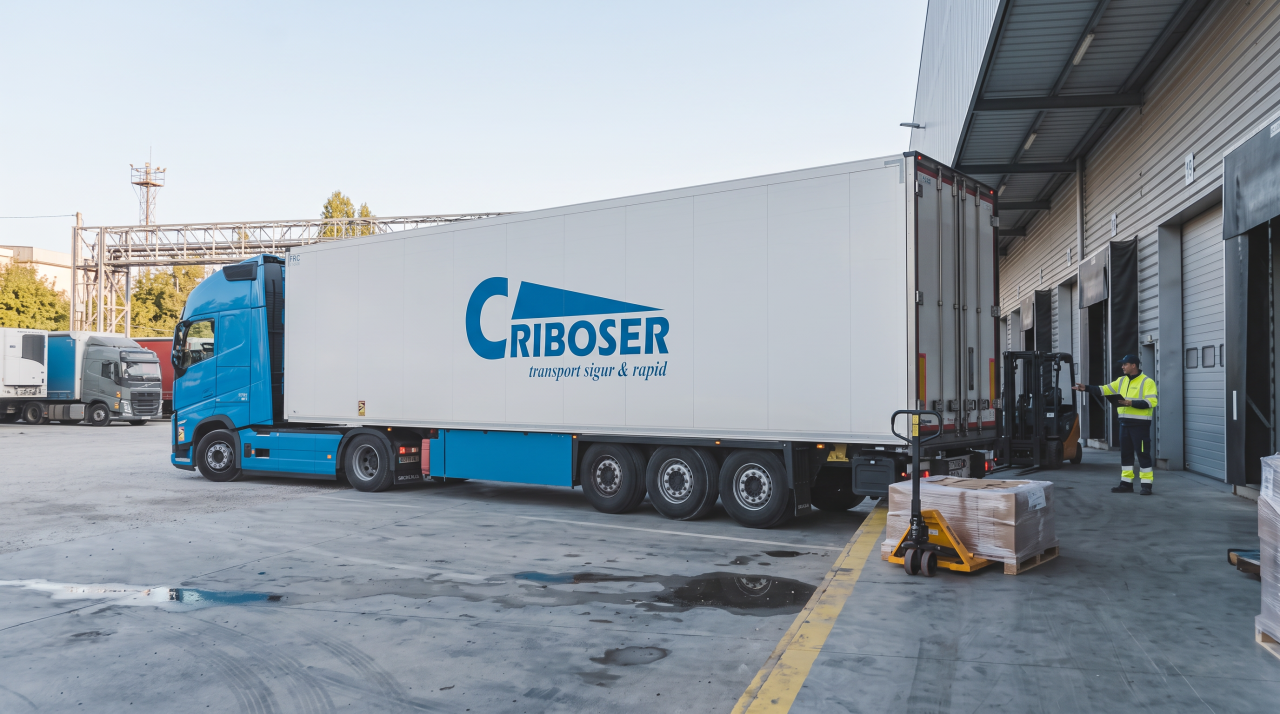
Law No. 100/2026 changes the responsibilities involved in road freight transport and introduces fines of up to RON 20,000. The new provisions have been in force since July 24, 2026.
Road freight operators in Romania must now comply with new rules governing the loading and unloading of goods. Law No. 100/2026 establishes clearer responsibilities for drivers, transport operators, consignees and suppliers, aiming to clearly distinguish transport activities from the handling of goods.
The legislation came into force on July 24, 2026, and primarily applies to commercial road freight transport carried out for hire or reward using vehicles with a maximum authorised mass exceeding 12.5 tonnes.
Drivers Can No Longer Be Forced to Load or Unload Goods
One of the main changes introduced by the new law is the prohibition against forcing professional drivers to participate in the loading or unloading of goods, pallets or packaging.
Consignees, suppliers, intermediaries and their representatives may not require drivers to perform such operations, except in situations expressly permitted by law.
In practical terms, responsibility for handling goods must be clearly separated from the actual transport operation.
Exceptions Apply
The law does not completely exclude drivers from participating in certain loading or unloading operations.
In the case of specialised transport, where the nature of the goods or the transport operation requires it, the driver may participate in such activities under the conditions established by law and the applicable employment documentation.
The law also provides for situations in which the driver may give written consent to perform such operations, subject to applicable occupational health and safety requirements.
Contractual Clauses Contrary to the Law Are Null and Void
Another important provision directly concerns transport operators.
Contractual clauses requiring drivers to carry out loading or unloading operations in situations where such activities are prohibited under the new legislation are considered null and void by operation of law.
Transport companies should therefore carefully review their contracts and procedures governing relationships with customers, suppliers and logistics partners.
Fines of Up to RON 20,000
Failure to comply with the new provisions may result in significant penalties.
Consignees, suppliers and intermediaries who require drivers to perform prohibited loading or unloading operations may face fines of up to RON 20,000.
Transport operators may also be subject to penalties, including where their contracts contain obligations that conflict with the provisions of the new legislation.
Who Is Responsible for Enforcement?
Compliance with the new rules will be monitored by the competent authorities, including the Labour Inspectorate and the State Inspectorate for Road Transport Control (ISCTR).
Inspections may cover both transport operators and the locations where loading and unloading operations take place.
What Does This Mean for Transport Operators?
For road freight companies, the new legislative framework establishes a clearer distinction between the transportation of goods and their handling.
Operators should review their contracts, internal procedures and the way responsibilities are assigned at loading and unloading locations. At the same time, consignees and suppliers must take the new requirements into account when organising transport operations.
Law No. 100/2026 therefore represents an important change for Romania’s road freight sector by establishing clearer responsibilities for each party involved in the logistics chain.
For companies working with road transport operators, understanding and complying with these requirements will be essential to avoid operational disruptions, contractual disputes and potential penalties.