
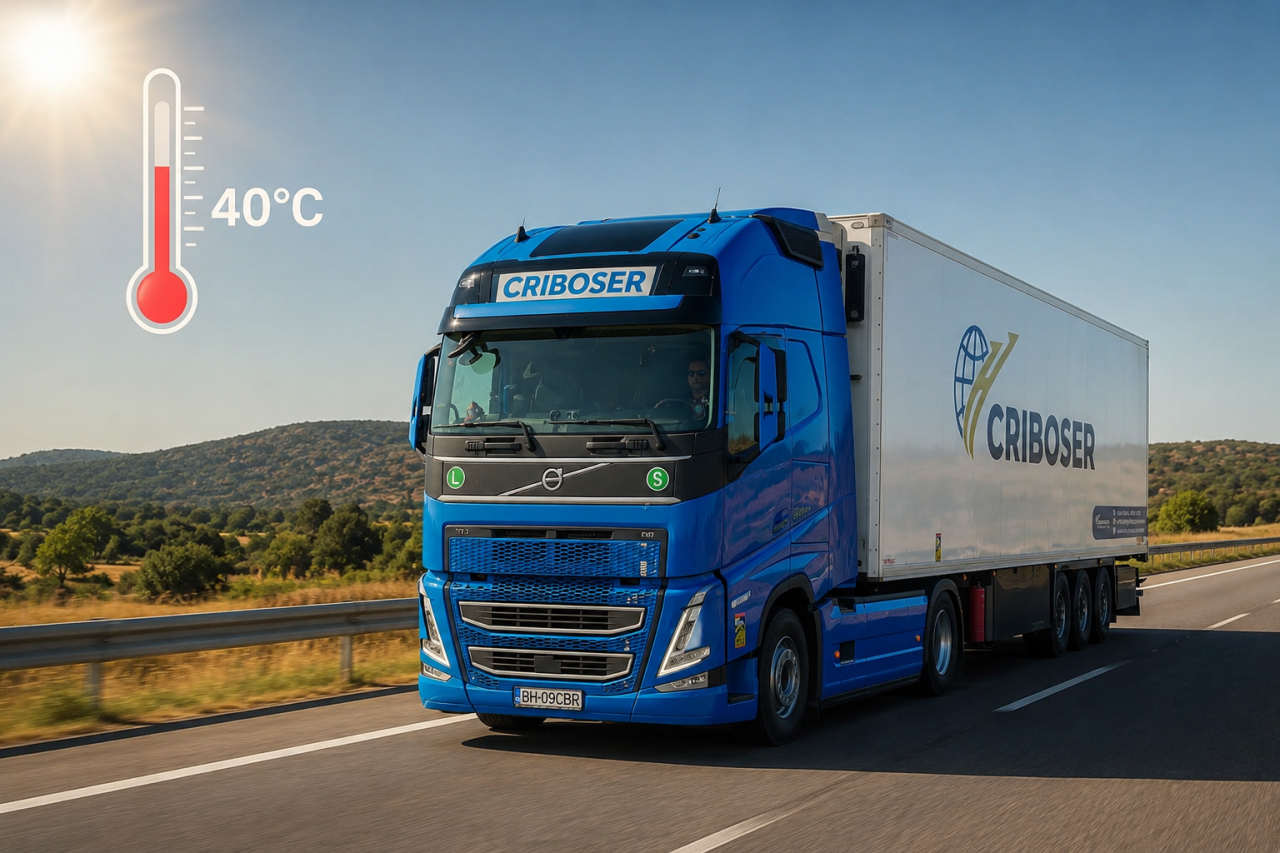
Over the past few days, Europe has been experiencing one of the most intense heatwaves in recent years. In many regions, temperatures have exceeded 40°C (104°F), affecting not only cities but also the logistics and transportation sector.
Industry experts warn that extreme weather conditions place enormous pressure on refrigerated warehouses, logistics hubs, and temperature-controlled trucks. Refrigeration systems are forced to operate at maximum capacity for extended periods, leading to higher energy consumption and an increased risk of equipment failures.
Food Safety Depends on a Reliable Cold Chain
When it comes to perishable goods, every degree matters. Even a small deviation from the required temperature can compromise product quality and result in significant losses for producers, transport companies, and retailers.
Experts point out that much of Europe’s cold chain infrastructure was originally designed for milder climate conditions. As prolonged heatwaves become more frequent, the industry is calling for greater investment in modern cold storage facilities, energy-efficient refrigeration systems, and real-time temperature monitoring technologies.
What This Means for Refrigerated Transport Operators
Transport companies specializing in temperature-controlled logistics must pay even closer attention to every shipment by focusing on:
- Continuous temperature monitoring throughout the journey.
- Preventive maintenance of refrigeration units.
- Route optimization to reduce transit times.
- Rapid response plans in the event of equipment failures.
These measures are no longer just operational best practices—they are essential to ensuring that goods arrive safely, fresh, and in perfect condition.
The Criboser Perspective
In refrigerated transport, a successful delivery is measured not only by the distance traveled but also by the ability to maintain a consistent temperature from pickup to destination.
As European summers continue to become hotter, investing in advanced technology, continuous monitoring, and preventive maintenance is no longer a competitive advantage—it has become a necessity for protecting cargo, ensuring food safety, and maintaining customer trust.